
So, you’re on or considering Molina Healthcare providers. Maybe you just qualified for Medicaid, and Molina is your managed care option. Also, you may be helping a family member navigate their coverage. Maybe you’re trying to figure out why it’s so hard to find a specialist who actually accepts Molina. Let me give you the real picture of what Molina’s provider network actually looks like—the accessibility it provides for people who otherwise couldn’t afford coverage, but also the brutal reality of limited networks, long wait times, providers who refuse Molina patients, and why many members struggle to get the care they need despite technically having insurance.
Read Also: Health Insurance Plan for Families in the USA
What Molina Healthcare Providers Are
 Molina Healthcare providers are one of the largest Medicaid managed care organizations in the USA. Founded in 1980, they primarily serve low-income individuals through government-funded health programs—mostly Medicaid, Medicare, and marketplace plans for people who qualify for subsidies.
They operate in over a dozen states, managing healthcare for millions of members. When your state runs Medicaid through managed care (rather than traditional fee-for-service Medicaid), companies like Molina contract with the state to provide coverage. You don’t pay Molina directly—the state pays them a set amount per member to manage your care.
This arrangement creates specific dynamics that affect your experience as a member. Molina gets paid the same amount whether you use a lot of healthcare or barely any. They make more profit when members use less care. This isn’t unique to Molina—it’s how all managed care organizations work—but it explains why getting authorizations and finding providers can be challenging.
Read Also: Primary Care Physician in the USA: Everything You Need to Know
The Provider Network: What “In-Network” Actually Means
Molina Healthcare providers maintain a provider directory listing doctors, specialists, hospitals, clinics, pharmacies, and other healthcare providers who’ve contracted to accept Molina patients.
The directory includes:
- Primary care physicians (PCPs)
- Specialists (cardiologists, orthopedists, OB/GYNs, etc.)
- Hospitals and surgical centers
- Mental health providers
- Pharmacies
- Federally Qualified Health Centers (FQHCs)
- Clinics and urgent care centers
Sounds comprehensive, right? On paper, it is. The reality is more complicated.
The provider listings aren’t always accurate. Providers leave networks, stop accepting new Molina patients, or have restrictions that aren’t reflected in the online directory. You’ll call offices listed as “accepting new patients” only to be told they’re not taking Molina, or not taking new Molina patients, or have a six-month wait.
The network is heavily weighted toward safety-net providers. FQHCs, community health centers, and clinics serving low-income populations make up a large part of Molina’s network. These are often excellent providers doing important work, but they’re also frequently overbooked with long wait times.
Many private practice doctors don’t accept Molina. They’ve opted out of the network entirely or stopped accepting new Molina patients. We’ll talk about why in a minute.
Read Also: Home Health Care Agency in the USA- Everything You Should Know
Why Many Providers Don’t Accept Molina (Or Limit How Many Patients They Take)
 This is the uncomfortable truth that Molina’s marketing materials don’t address: many healthcare providers actively avoid Molina patients or severely limit how many they accept.
Low Reimbursement Rates
Medicaid managed care plans like Molina typically reimburse providers at rates significantly below commercial insurance and even below traditional fee-for-service Medicaid. A visit that would reimburse $150 under commercial insurance might reimburse $60-80 under Molina.
For private practices operating on thin margins, accepting too many Molina patients isn’t financially sustainable. So they either don’t participate in the network at all, or they cap how many Molina patients they’ll see.
Administrative Burden
Getting paid by Molina often requires extensive paperwork, prior authorizations, and dealing with denials that require appeals. Many providers find the administrative hassle isn’t worth the low reimbursement.
Small practices especially can’t afford dedicated staff just to fight with Molina over authorizations and claims. So they opt out.
Higher No-Show Rates
Medicaid populations statistically have higher appointment no-show rates due to transportation issues, work schedule conflicts, childcare challenges, and other life complexities that come with poverty. This isn’t a moral judgment—it’s a practical reality.
Providers whose schedules get disrupted by no-shows lose money. Some respond by limiting Molina patients.
The Result for You
Finding a provider who accepts Molina—especially specialists—can be genuinely difficult. You might call 10 offices before finding one that’s accepting new Molina patients and has reasonable wait times.
Read Also: What Is New York State of Health? Your Complete Guide to NY’s Health Insurance Marketplace
What Using Molina Healthcare Providers Involve
Finding a Primary Care Provider
Your first task as a Molina member is selecting a PCP (primary care physician). This is required, and your PCP acts as a gatekeeper for referrals to specialists.
Use Molina’s provider directory to search by ZIP code. Look for PCPs accepting new patients. Call to confirm they’re still in-network and actually accepting appointments (the directory isn’t always current).
Expect wait times. A month or more for new patient appointments at good providers isn’t unusual. Some FQHCs are booking 2-3 months out.
Getting Specialist Care
Most specialist visits require a referral from your PCP. You can’t just call a cardiologist and make an appointment—your PCP has to refer you first.
The referral process varies:
- See your PCP
- PCP submits referral to Molina
- Molina approves (or denies) the referral
- If approved, you find an in-network specialist accepting Molina patients
- Schedule appointment (often weeks or months out)
This takes time. If you need specialist care urgently, this process feels agonizingly slow.
Prior Authorization Hell
Molina requires prior authorization for many services: specialist visits, imaging (MRI, CT scans), certain medications, procedures, hospital admissions, durable medical equipment.
Getting prior auth means:
- Your provider submits a request
- Molina reviews it (can take days to weeks)
- They might request additional documentation
- They approve, deny, or approve a different/cheaper alternative
- If denied, you can appeal (more time, more paperwork)
Members frequently report authorization delays that postpone needed care. Your doctor recommends an MRI? Might be 2-4 weeks before Molina approves it. Need a medication? Prior auth could take a week, during which you’re not getting treatment.
Pharmacy Access
Molina covers prescriptions, but with restrictions. Formularies limit which medications are covered. Brand-name drugs often require trying generic alternatives first (step therapy). Prior authorization is required for many medications.
You’ll have pharmacy-related frustrations:
- Your doctor prescribes a medication
- Pharmacy says it’s not covered
- Doctor has to request prior authorization or prescribe an alternative
- You wait while this gets sorted out
- Sometimes the approved alternative doesn’t work as well
Mental Health Services
Molina covers mental health, but finding providers is notoriously difficult. Most therapists and psychiatrists don’t accept Medicaid managed care due to low reimbursement.
You might search the directory, find that most listed providers aren’t accepting new patients, and end up on waiting lists for months. Or you get referred to a community mental health center that’s overbooked and offers appointments every 3-4 weeks when you need more frequent care.
Read Also: What You Need to Know About United Healthcare: Plans, Costs, and What Nobody Tells You
The Prior Authorization Problem in Detail
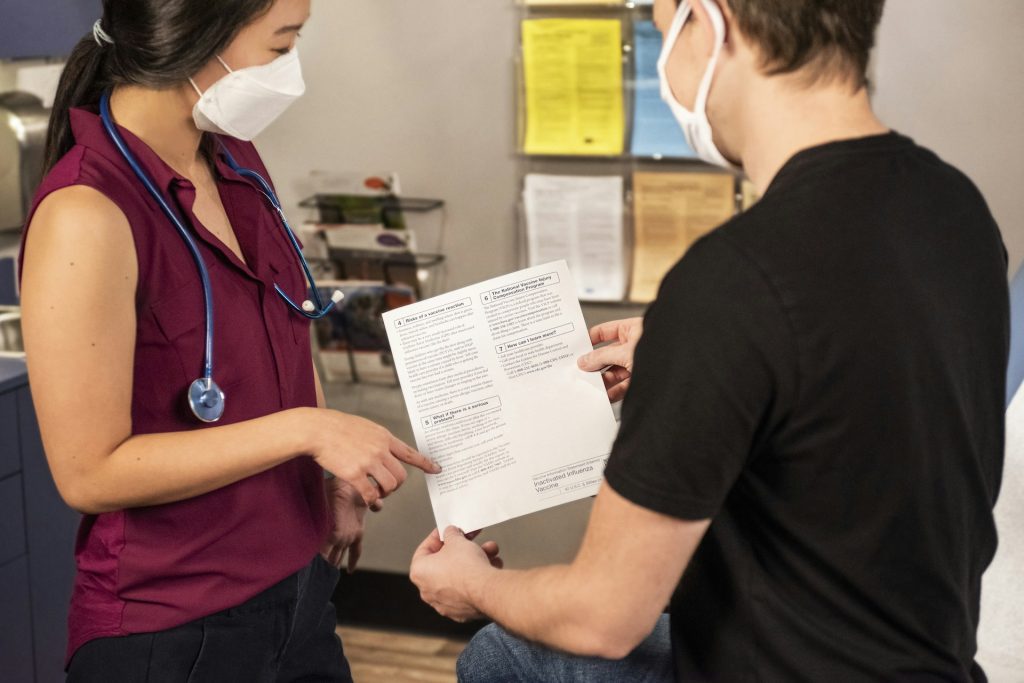 Prior authorization deserves its own section because it’s one of the biggest frustrations Molina members face.
Molina requires prior auth for services to control costs and prevent unnecessary care (their stated reason) or to create barriers that reduce utilization (the cynical but often accurate interpretation).
What requires prior auth:
- Most specialist visits
- Imaging (MRI, CT, PET scans)
- Surgery
- Durable medical equipment
- Many medications
- Hospital admissions (sometimes even emergency admissions retroactively)
- Physical therapy beyond a certain number of visits
- Some lab tests
Why it’s frustrating:
- Delays in getting needed care
- Your doctor’s office has to do the paperwork
- Denials require appeals that take more time
- Sometimes Molina approves cheaper alternatives that your doctor doesn’t think are appropriate
- Emergency situations still sometimes require retroactive authorization
Denial and Appeal Reality:
Initial denials are common. Sometimes they’re legitimate (the service genuinely isn’t medically necessary). Sometimes they’re cost-control measures hoping you won’t appeal.
The appeals process exists, but it’s time-consuming. You or your provider submit an appeal, Molina reviews it (takes weeks), they might uphold the denial, you can appeal to an independent review, more waiting.
During all of this, you’re not getting the care your doctor recommended.
Read Also: Catastrophic Health Insurance in the USA: Is It Right for You?
State-by-State Variation
Molina’s network, benefits, and quality vary significantly by state because they’re managing state Medicaid programs with different rules, funding levels, and regulations.
States where Molina operates: California, Florida, Illinois, Michigan, New Mexico, New York, Ohio, South Carolina, Texas, Virginia, Washington, Wisconsin, and a few others.
Network quality varies: In states where Molina has large contracts and has been operating for years, networks are generally better. In states where they’re newer or have smaller market share, networks can be quite limited.
Benefits vary: What’s covered (dental, vision, transportation assistance, etc.) depends on what each state’s Medicaid program includes. Federal minimum standards exist, but states add benefits or restrict them within allowed parameters.
Read Also: Small Business Health Insurance: Your Complete Guide to Making the Right Choice
Quality Concerns and Member Satisfaction
Molina’s member satisfaction scores are generally lower than commercial insurance plans. This isn’t unique to Molina—most Medicaid managed care plans score lower than commercial plans—but it’s worth understanding why.
Common member complaints:
- Difficulty finding providers who accept Molina
- Long wait times for appointments
- Prior authorization delays and denials
- Customer service wait times
- Claims processing issues
- Providers leaving the network
- Confusion about what’s covered
Quality metrics: Molina’s Healthcare Effectiveness Data and Information Set (HEDIS) scores—standard quality measures—are mixed. They perform well on some metrics, poorly on others. They’re not the worst Medicaid MCO, but they’re not consistently the best either.
Read Also: Low-Cost Health Insurance in the USA: Your Options When You Can’t Afford Full Price
Claims Denials and Appeals
Claims denials happen. Sometimes it’s because the service wasn’t covered. Also, sometimes it’s because proper authorization wasn’t obtained. Sometimes it feels arbitrary.
Common denial reasons:
- No prior authorization
- Service not medically necessary (Molina’s determination)
- Provider not in-network
- Service not covered under your specific plan
- Missing documentation
The appeals process:
- File an appeal (you or your provider can do this)
- Molina conducts an internal review (30-60 days typically)
- If denied again, you can request external review by independent entity
- For urgent situations, expedited appeals are possible (days instead of weeks)
Many members give up rather than appeal because the process is complicated and time-consuming. Molina likely benefits from some people not appealing denials.
Read Also: US Companies Hiring Foreign Workers: The Reality of Visa Sponsorship in 2025
Comparing Molina to Other Medicaid Managed Care Options
If your state offers multiple Medicaid managed care plans (MCOs), you might be choosing between Molina and competitors like UnitedHealthcare Community Plan, Anthem (Elevance), Centene (multiple brands), or others.
How Molina compares:
- Provider networks: Generally middle-of-pack. Not the best, not the worst.
- Member satisfaction: Below commercial insurance, comparable to other Medicaid MCOs.
- Prior authorization: About as restrictive as other Medicaid MCOs.
- Claims processing: Average for the industry.
The differences between Medicaid MCOs are often smaller than the differences between Medicaid MCOs and commercial insurance. You’re dealing with similar challenges regardless of which MCO you choose because they’re all managing Medicaid populations with low reimbursement rates.
Read Also: Public Health Jobs in the USA (2025 Guide)
Who Molina Actually Serves Well vs. Who Struggles
Molina works reasonably well for:
- People who use FQHCs and community health centers anyway
- Members with straightforward primary care needs
- People who are good self-advocates and persistent about navigating the system
- Those comfortable with managed care restrictions and willing to work through authorization processes
- Members in states where Molina has strong networks
Molina is challenging for:
- People needing frequent specialist care
- Those with complex medical conditions requiring multiple providers
- Members in rural areas with limited provider availability
- People who can’t handle bureaucracy and delays
- Those with mental health needs (provider shortages are severe)
- Members expecting the flexibility of commercial insurance
Read Also: Health Equity in the USA: What It Really Means and Why We’re Failing at It
Practical Strategies for Making Molina Work
If you’re stuck with Molina (because your state assigned you or it’s your only affordable option), here are strategies that help:
Be proactive about finding providers: Don’t wait until you’re sick. Establish care with a PCP immediately. Research specialists you might need and confirm they accept Molina before you need urgent care.
Document everything: Keep records of phone calls, authorization numbers, claim submissions, and denials. If you need to appeal, documentation is critical.
Learn the prior authorization process: Understand what requires prior auth so you can plan. Ask your provider’s office to submit authorization requests promptly.
Use your PCP strategically: Your PCP is your gatekeeper. Find one who’s responsive and good at getting authorizations and referrals processed. They’re your ally in navigating the system.
Appeal denials: Don’t assume a denial is final. Many denials get overturned on appeal, especially if your provider documents medical necessity.
Know your rights: Federal and state laws govern Medicaid managed care. You have rights to timely access, appeals, grievances, and more. Molina has to provide you with a member handbook explaining these rights—actually read it.
Consider FQHCs: Federally Qualified Health Centers are designed for Medicaid patients. They’re usually accepting Molina, have comprehensive services, and understand the authorization process.
Read Also: Physical Therapy Assistant Jobs in the USA
Conclusion on Molina Healthcare Providers
Molina provides access to healthcare for millions of people who otherwise couldn’t afford coverage. For people on Medicaid, it’s often the only option, and having some insurance is better than having none.
But using Molina means accepting significant limitations: restricted networks, provider access challenges, prior authorization hassles, and lower quality than commercial insurance. These aren’t unique to Molina—they’re inherent to Medicaid managed care—but they’re real frustrations that affect your ability to get timely, high-quality care.
Is Molina “good”? That’s the wrong question. The right question is whether it’s accessible and functional despite its limitations. For straightforward primary care and basic needs, usually yes. For complex medical needs, specialty care, or anything requiring quick access to multiple providers, often no.
The system is what it is. Molina is doing managed care for low-income populations within the constraints of Medicaid reimbursement rates and state funding. They’re not evil, but they’re also not primarily focused on member experience—they’re focused on managing costs while meeting minimum regulatory requirements.
If you’re using Molina, go in with realistic expectations. Be persistent and organized. Be willing to advocate for yourself. And understand that the challenges you face aren’t usually personal—they’re systemic issues affecting everyone in Medicaid managed care.
Read Also: Voice-Over Jobs in the USA- Everything You Need to Know
Frequently Asked Questions
How do I find Molina Healthcare providers near me?
Use Molina’s online provider directory at their website, or call member services for help. Search by your ZIP code and provider type. Call providers before scheduling to confirm they’re still in-network and accepting new Molina patients—the directory isn’t always current.
Why can’t I find a specialist who accepts Molina?
Many specialists limit or don’t accept Molina due to low reimbursement rates, administrative burden, and claims payment issues. This is a systemic problem with Medicaid managed care. Keep calling different offices, ask your PCP for recommendations, and consider FQHCs with specialist services.
What do I do if Molina denies a service my doctor recommended?
File an appeal. You or your provider can initiate the appeals process. For urgent situations, request an expedited appeal. Have your provider document why the service is medically necessary. Many denials get overturned on appeal.
Can I change my primary care provider?
Yes. You can change your PCP through Molina’s member portal or by calling member services. There might be restrictions on how frequently you can change.
Does Molina cover emergency room visits?
Yes. Emergency care is covered even at out-of-network hospitals. But Molina might review whether the visit was truly an emergency after the fact. For true emergencies, don’t worry about this—get care first.
How long does prior authorization take?
Standard prior authorization typically takes 5-14 days. Urgent requests can be expedited to 72 hours. Your provider submits the request, Molina reviews it, and they’ll contact your provider with the decision.
What happens if I see an out-of-network provider?
For non-emergency care, you’ll likely have to pay the full cost yourself. Molina generally doesn’t cover out-of-network care except in limited situations (emergencies, certain FQHCs, approved exceptions).
Is Molina better than other Medicaid managed care plans?
Molina Healthcare providers are comparable to other Medicaid MCOs—similar networks, similar authorization requirements, similar member satisfaction issues. The differences between Medicaid plans are often smaller than the differences between Medicaid and commercial insurance. If you have a choice, compare provider networks in your area and member reviews.