So you’re considering offshore jobs in the USA. Maybe you’re attracted to the high pay, maybe you like the idea of working weeks on and weeks off, maybe you’re willing to endure difficult conditions for good money. Let me give you the real picture of what offshore jobs actually involve—the legitimate high earnings and unique rotation schedule, but also the brutal reality of living on an oil rig for weeks at a time, the 12-hour shifts in dangerous conditions, the isolation from family, and why many people burn out within their first year despite the money.
Read Also: Best Job Fairs in the USA: Do They Work and Which Ones Are Worth Your Time?
What “Offshore Jobs” Actually Mean
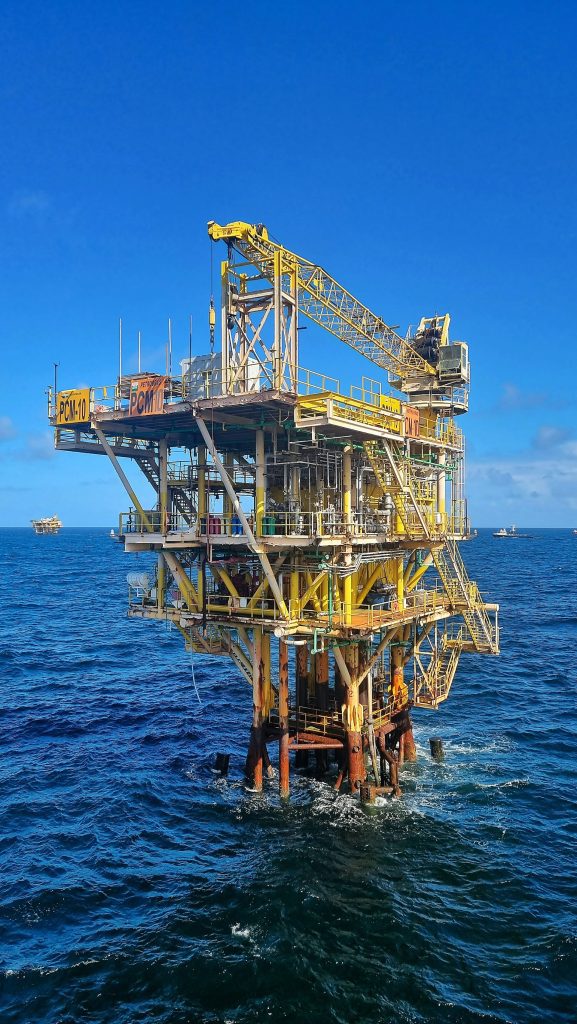 Offshore jobs in the USA primarily mean working on oil and gas platforms in the Gulf of Mexico, off the coasts of Louisiana and Texas. These are massive structures—some fixed to the ocean floor, some floating—where crews extract and process oil and gas from deep underwater reserves.
You’re not commuting from home. You fly or take a boat to the rig, live there for your entire rotation (typically 2-4 weeks), work 12-hour shifts every day you’re on the rig, then fly/boat back to shore for your time off (another 2-4 weeks typically).
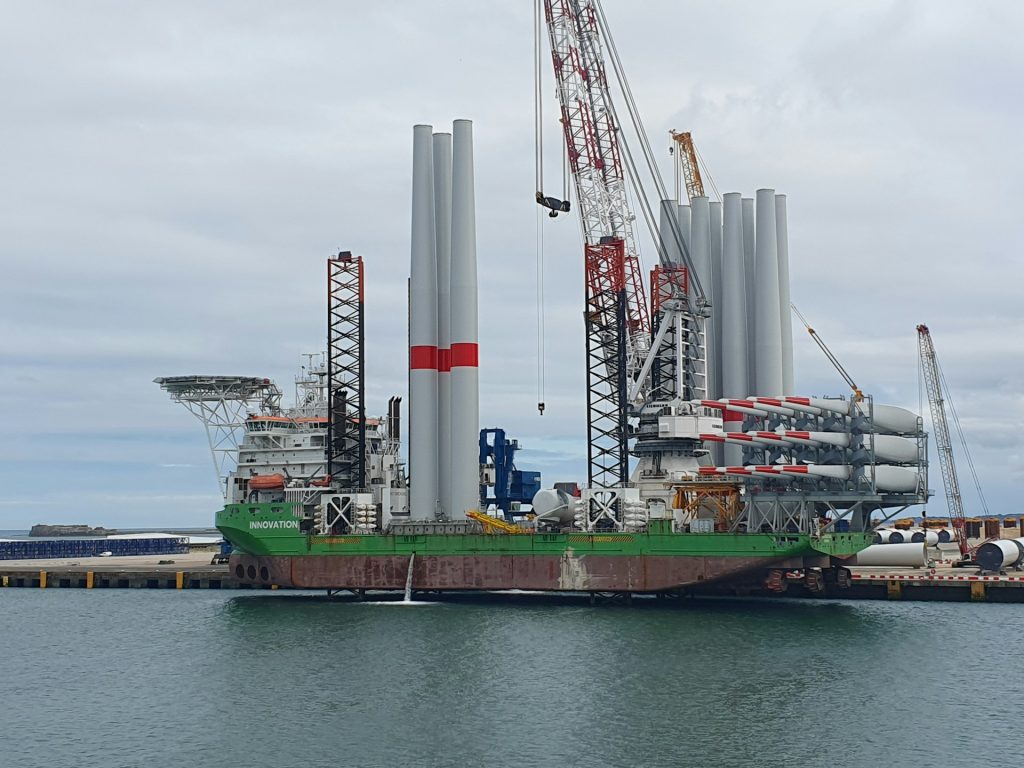
There’s also offshore work on supply vessels, support ships, and increasingly some offshore wind energy installations, but the majority of US offshore jobs are still in oil and gas in the Gulf of Mexico.
This is not regular employment. It’s a completely different lifestyle that requires specific personality traits and circumstances to make it sustainable.
The Different Jobs and What They Actually Pay
Roustabout / Floorhand / General Labor
This is entry-level offshore work. You’re doing manual labor—moving equipment, maintaining structures, assisting other crew members, cleaning, painting, general grunt work. It’s physically demanding and often involves working in harsh weather conditions.
Pay: $40,000-$60,000 annually. That sounds modest, but remember you’re working roughly half the year due to rotation schedules. Your effective hourly rate is higher than it appears because you’re compressing full-year income into 6 months of actual work.
This is the most accessible offshore job—you don’t need specialized skills beyond basic physical fitness and a willingness to work hard. But it’s also the most physically exhausting and lowest-paid offshore role.
Skilled Trades (Welders, Mechanics, Electricians)
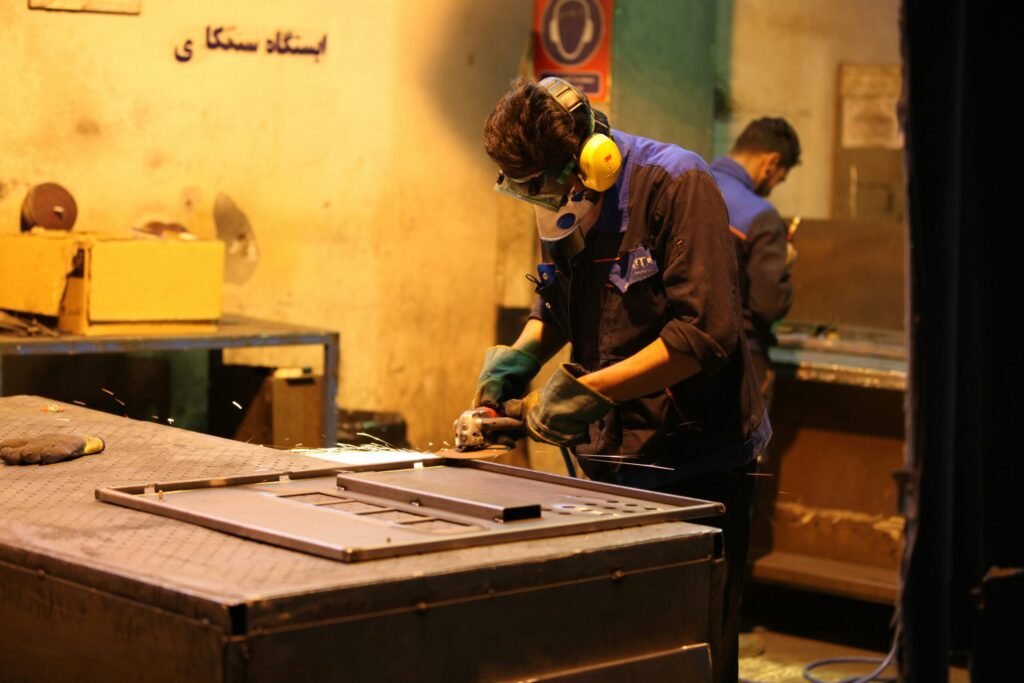
You’re maintaining and repairing rig equipment, structures, electrical systems, and mechanical components. This requires trade certifications and experience.
Pay: $60,000-$100,000+ annually, depending on your specialty and experience. Welders with underwater welding certification can make even more. Mechanics keeping critical equipment running are valuable.
You need actual skills and certifications for these roles—they’re not entry-level. But if you’ve got trade credentials, offshore work pays significantly better than onshore equivalents.
Drilling Crew (Derrickhand, Driller, Drill Operators)
You’re directly involved in drilling operations—managing drill pipes, controlling drilling equipment, operating machinery, and monitoring drilling processes.
Pay: $70,000-$110,000+ depending on position and experience. Drillers (who control the actual drilling operation) make the higher end of this range. It’s skilled, responsible work that requires training and experience.
The work is technical and carries real responsibility. Mistakes can cause expensive equipment damage or safety incidents. The pay reflects that responsibility.
Engineering and Technical Specialists
Subsea engineers, petroleum engineers, ROV (remotely operated vehicle) pilots, inspection specialists, QA/QC engineers. These roles require degrees or specialized technical training.
Pay: $80,000-$150,000+ annually. Senior engineers and specialized technical roles can exceed $150,000.
These are the most skilled offshore positions. You need relevant education and often years of experience. But the pay is excellent for engineering work, especially considering the rotation schedule gives you significant time off.
Supervisory and Management
Toolpushers (drilling supervisors), Offshore Installation Managers (OIMs), production supervisors. You’re overseeing operations, managing crew, ensuring safety, and making operational decisions.
Pay: $110,000-$200,000+ depending on experience and responsibility level. An OIM running an entire platform can make $150,000-$250,000.
These roles require extensive offshore experience and leadership capability. You’re responsible for expensive equipment, production goals, crew safety, and regulatory compliance. The pay is commensurate with that responsibility, but so is the stress.
Read Also: Travel Agent Jobs in the USA
The Rotation Schedule: What It Really Means
Offshore work operates on rotation schedules, typically:
- 14 days on / 14 days off
- 21 days on / 21 days off
- 28 days on / 28 days off
Some variations exist, but the pattern is consistent: you work straight through for weeks, then you’re off for weeks.
While you’re on the rig:
- You work 12-hour shifts, every single day. No days off during your rotation.
- You live in shared quarters (dormitory-style rooms with 1-3 other people).
- You eat in communal mess halls.
- You have minimal privacy and limited personal time.
- You can’t leave—you’re stuck there until your rotation ends.
- Entertainment is limited: maybe a gym, TV room, internet is often slow or restricted.
- You’re away from family, friends, and everything familiar.
While you’re off:
- You’re completely off. You’re home for 2-4 weeks straight.
- Some people love this—extended time off to travel, pursue hobbies, and be with family.
- Others struggle—readjusting to home life repeatedly, feeling disconnected, and boredom between rotations.
The rotation schedule is both the biggest advantage and biggest challenge of offshore work. You’re making a full-year salary in half the time, giving you extended periods off. But those work periods are grueling, isolated, and psychologically taxing.
Read Also: Personal Assistant Jobs in the USA
What Life on a Rig Actually Involves
 Let’s talk about what living offshore is really like, because this is what determines whether you can handle it long-term.
The Physical Environment
You’re on a metal platform in the middle of the ocean. In winter, it’s cold and wet. In summer, it’s hot and humid. You’re exposed to the weather constantly. The rig rocks and sways in rough seas (if it’s floating). The noise from machinery is constant. The smell of oil and gas permeates everything.
Your living quarters are small, functional, and shared. Think college dorm, but more cramped and industrial. You’ve got a bed, maybe a small desk, and storage for your personal items. You’re sharing this space with roommates who work opposite shifts, so someone’s always sleeping while someone’s awake.
Bathrooms are communal. Privacy is minimal. You’re living in close quarters with dozens or hundreds of other workers, depending on rig size.
The Work Itself
Twelve-hour shifts of physical labor or technical work. You’re on your feet most of the day. The work can be monotonous or intense depending on what’s happening. During drilling operations or maintenance, the pace is demanding. During downtime, you’re still required to be present and ready.
Safety is emphasized constantly because the work is genuinely dangerous. Heavy equipment, high-pressure systems, flammable materials, working at heights, working around moving machinery—injuries happen despite precautions. Fatalities are rare but they occur. You’re working in an environment where mistakes can have severe consequences.
The Isolation
This is what breaks most people. You’re cut off from everything for weeks at a time. Miss your kid’s birthday? Too bad, you’re offshore. Family emergency? You might be able to get emergency transport off the rig, but it’s not quick or easy. Relationship problems? They’re going to sit there festering for two weeks until you get home.
You can’t just leave when you’re frustrated or homesick. You’re stuck. The psychological toll of that isolation wears on people more than the physical work.
The Social Dynamic
You’re living and working with the same people 24/7 for weeks. Personalities clash. Tensions build in confined spaces. Some crews bond well. Others have constant interpersonal friction.
There’s a distinct hierarchy on rigs. Respect and authority matter. If you’re entry-level, you’re at the bottom and you’ll feel it. Experienced hands don’t always have patience for rookies who slow them down or make mistakes.
Read Also: High Demand Jobs in the USA 2025 for Foreigners
The Certification and Entry Requirements
You can’t just show up and start working offshore. Entry requirements exist even for basic positions:
Medical Clearance: You need to pass a rigorous medical exam. Vision, hearing, cardiovascular health, physical capability—they’re checking you can handle the physical demands and won’t become a medical emergency offshore where emergency care is limited.
Safety Training: Most employers require courses like:
- HUET (Helicopter Underwater Escape Training): What to do if the helicopter taking you to/from the rig crashes into the ocean.
- Basic Offshore Safety Induction and Emergency Training (BOSIET) or equivalent.
- First Aid and CPR certification.
These courses cost money—$500-$2,000+, depending on what you need. Some employers reimburse after hire, some expect you to have them before applying.
Background Checks: A clean criminal record is usually required. Drug testing is standard and ongoing—random drug tests happen offshore.
For Skilled Positions: Trade certifications, engineering degrees, specialized technical training—whatever your role requires, you need documentation proving your qualifications.
TWIC Card (Transportation Worker Identification Credential): Required for many offshore positions. Costs ~$125, requires a background check, and takes weeks to process.
These entry barriers mean you’re investing time and money before you ever earn your first offshore paycheck. For people already working in trades or technical fields, it’s manageable. For someone with no resources trying to break in, it’s a real obstacle.
Read Also: Federal Government Jobs in the USA: Stability and Benefits at the Speed of Bureaucracy
The International Worker Challenge in Offshore Jobs
Considering US offshore work, let’s address the reality: getting hired from abroad is difficult.
Most US offshore employers strongly prefer hiring workers already in the US with work authorization. The training requirements, medical clearances, background checks, and safety certifications are easier with local candidates.
Visa sponsorship for offshore work exists but it’s not common for entry or mid-level positions. Specialized technical roles (senior engineers, specific expert positions) sometimes get sponsored. General labor and even skilled trades rarely do.
Your best path as an international candidate:
- Get relevant skills and certifications in your home country (welding, mechanical, electrical, engineering)
- Gain offshore or maritime experience in your region (Europe offshore industry exists)
- Target international offshore contractors who work globally and might transfer experienced workers
- Understand you’re facing an uphill battle competing against local candidates
The harsh reality is that someone in Louisiana with a TWIC card and safety training is getting hired over an equally qualified candidate who needs visa sponsorship, travel assistance, and international credential verification.
Read Also: UPS Jobs in the USA: What You’re Actually Getting Into
Why People Leave Offshore Jobs
The turnover in offshore jobs is high, especially at entry levels. Here’s why:
Family Strain: Being gone for weeks at a time destroys relationships. Marriages fail. You miss important life events. Your kids grow up with you absent half the time. Partners get tired of managing everything alone during your rotations.
Physical Toll: Twelve-hour shifts of manual labor for weeks straight break down bodies. Back problems, joint issues, and injuries from accidents. Some people’s bodies can’t sustain it long-term.
Mental Health: The isolation, confinement, stress, separation from support systems—it affects mental health. Depression, anxiety, and substance abuse problems develop or worsen. Some people can’t psychologically handle the rotation lifestyle.
Better Opportunities: People use offshore work to make money and gain experience, then move to onshore positions that pay less but offer a better lifestyle. Once you’ve got offshore experience and credentials, onshore oil and gas companies, engineering firms, or technical positions become accessible.
Burnout: Even people who handle it initially eventually get tired. After 5, 10, 15 years, the rotation schedule wears thin. You want normalcy, routine, to be home every night. The money stops being worth the sacrifices.
Read Also: Logistics Jobs in the USA (2025 Guide)
Who Actually Succeeds Offshore
People who make it long-term offshore typically:
- Are genuinely comfortable with isolation and confined spaces
- Don’t have young children or have partners who can manage solo parenting
- Like the rotation schedule and use time off productively
- Handle physical demands well and maintain fitness
- Can deal with difficult personalities and hierarchical environments
- Are motivated by money and willing to sacrifice lifestyle for earnings
- Have clear financial goals (paying off debt, saving for something specific) that make the sacrifice feel worthwhile
People who burn out quickly:
- Need daily contact with family and friends
- Struggle with authority or rigid hierarchies
- Can’t handle confinement or lack of privacy
- Have physical limitations they underestimated
- Miss the structure of regular daily life
- Underestimated how hard the isolation would be
- Don’t have strong enough financial motivation to offset the sacrifices
Read Also: EMT Jobs in the USA- Everything You Need to Know
Should You Actually Pursue Offshore Jobs?
Consider offshore jobs if:
- You’re young without significant family obligations
- You need to make good money quickly and are willing to sacrifice lifestyle temporarily
- You handle isolation and confined spaces well
- You’re physically fit and capable of demanding work
- You have or can get relevant skills/certifications
- You see it as a means to an end (making money for specific goals) not permanent career
- You’re in the US or have realistic path to work authorization
Look elsewhere if:
- You have young children and want to be present for their lives
- Your relationships can’t handle weeks of separation
- You struggle with confinement, isolation, or mental health challenges
- You need daily routine and normalcy
- You can’t handle the physical demands long-term
- You’re seeking offshore work from abroad without specialized skills that justify sponsorship
- The pay isn’t high enough above your alternatives to justify the sacrifices
Read Also: Side Jobs in the USA (Hiring Immediately)
Conclusion
Offshore jobs in the USA can be lucrative—$60,000-$200,000+, depending on your role, with half the year off work. The rotation schedule is unique and appeals to some people. The work is real, the industry exists, and jobs are available for qualified candidates.
But it’s genuinely hard work in difficult conditions with real sacrifices. The isolation breaks many people. The physical demands wear you down. Relationships suffer. Your mental health might suffer. And the turnover reflects these realities—many people don’t last beyond a year or two.
If you’re young, unattached, physically capable, financially motivated, and temperamentally suited to isolation and confinement, offshore work can be a smart financial move for a few years. Build savings, pay off debt, gain valuable experience, then transition to something more sustainable.
But go into offshore jobs with realistic expectations about what the lifestyle actually involves. It’s not a tropical vacation on an oil rig. It’s hard, isolating work in harsh conditions, and the money—while good—comes at a real cost to your personal life and wellbeing.