So you’re thinking about working at Tractor Supply jobs. Maybe you’ve seen their stores around, or you’re looking for retail work that’s a bit different from the typical mall job. Let me walk you through what working at TSC actually looks like—not just the official company line, but the real deal.
Read Also: Currency Exchange Jobs in the USA
What Tractor Supply Actually Is
 Tractor Supply Company runs over 2,300 stores across the U.S. They’re the go-to place for rural lifestyle stuff: farm and ranch supplies, pet products, gardening equipment, home improvement goods, plus everything from chicken feed to Carhartt jackets.
Their corporate headquarters (they call it the “Store Support Center”) handles all the behind-the-scenes work, and they’ve got distribution centers scattered around the country keeping those stores stocked. As of their 2024 annual report, they’re employing around 52,000 people, mix of full-time and part-time across all those locations.
What makes TSC different from your typical big-box retailer? The customer base. You’re dealing with farmers, ranchers, hobby farm owners, and people who actually use the products you’re selling. That can make the job more interesting if you’re into that world, or more challenging if you don’t know a fence post from a t-post.
Read Also: Target Application in the USA — Everything You Need to Know
The Different Jobs You Can Get
Store Team / Retail Roles
This is where most people start. Team Member positions cover cashiers and sales associates—you’re helping customers, running the register, answering questions about products. Some of these folks genuinely know their stuff about livestock feed or garden supplies. Others are learning as they go.
Then there are Stockers, Receivers, and Forklift Operators. This is the physical side of retail. You’re unloading trucks, moving pallets, and keeping shelves full. It’s harder work than standing at a register, but some people prefer it because you’re not dealing with customers all day.
Team Leads and Assistant Managers are the next step up. You’re supervising team members, handling scheduling, and dealing with the daily fires that pop up in retail. You’re still very much on the floor, but now you’re also responsible when things go wrong.
Store Managers run the whole operation—staff, inventory, budget, customer issues, everything. Manager Trainee positions exist, too, which is basically TSC’s way of developing future store managers. The pay for manager trainees runs about $27.20–$34.00 per hour according to their job listings. For full Store Managers, you’re looking at total compensation (base plus bonuses and stock) that can hit around $96,705 annually, though that varies by location and store performance.
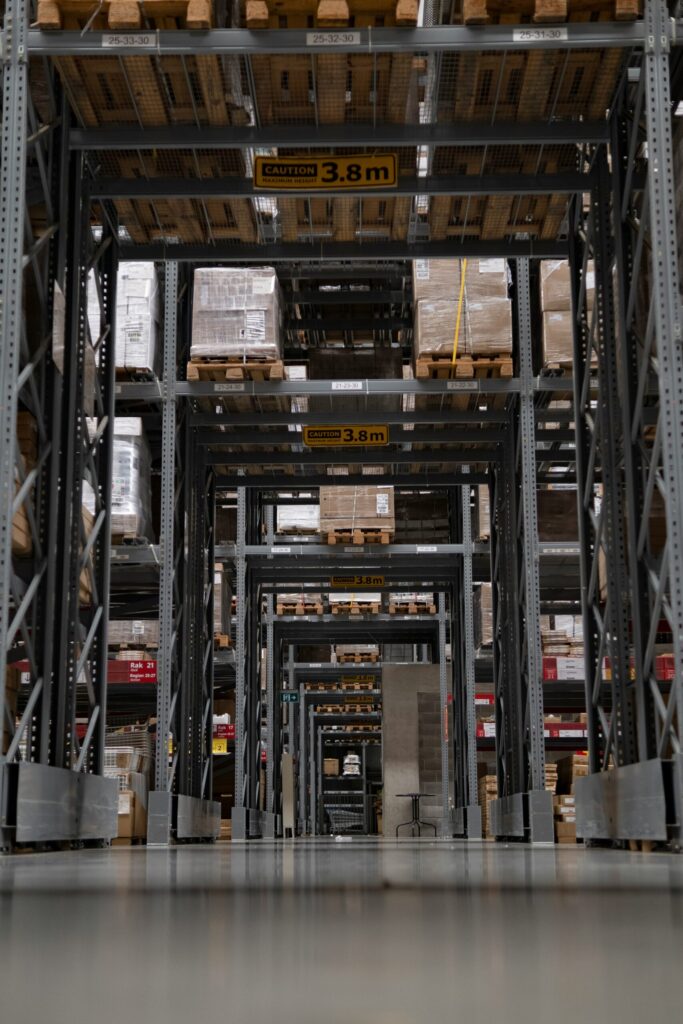
Distribution Center Jobs
These roles are in the warehouses that keep all those stores supplied. You’re doing order picking, inventory management, and logistics work. The pay can actually be pretty decent—some order pickers on Indeed report making around $42 per hour, though that’s probably not the starting rate.
Distribution work is different from store work. More predictable hours usually, more physically demanding in different ways (lots of walking, lifting, repetitive tasks), less customer interaction. If you hate retail but need a job, distribution might be your move.
Corporate / Store Support Center
These are your traditional office jobs: IT, HR, Finance, Legal, Marketing, Loss Prevention, and E-commerce. Getting into corporate from outside TSC is harder than starting in a store, but it happens. Having retail experience with the company can actually help you transition to corporate roles later.
Customer Solutions Center
Phone and email support for customers. Some of these roles can be remote, which is nice. You’re helping people with orders, answering product questions, and handling complaints. If you’ve got customer service experience and want something with more regular hours than retail, this could work.
Petsense
TSC owns PetSense stores, which are pet-focused. Similar retail structure, but if you’re more into the pet side of things than the farm side, Petsense might be a better fit.
Read Also: Five Below Careers in the USA — Everything You Need to Know
What You’ll Actually Make
Let’s talk money, because that’s what everyone wants to know.
Team Members (the entry-level retail folks) make somewhere in the range of $15.74–$16.97 per hour based on current job postings. Some locations might pay more depending on local minimum wages or cost of living. Cashiers and customer service roles average around $19 per hour, according to Indeed data.
Store Managers, as I mentioned, can make a solid living—we’re talking nearly $100K when you factor in bonuses and stock. But that comes with serious responsibility and usually 50+ hour weeks.
The reality is that pay varies a lot by location. TSC in a rural area with a low cost of living might start you at $13-14 an hour. TSC in a higher-cost area might start at $17-18. And there’s a big difference between what part-timers make and what full-time employees with benefits pull in.
Here’s something to know: retail pay often stays pretty flat unless you move up. You might get your annual raise (usually small), but real pay increases come from promotions. If you’re planning to stay at the Team Member level long-term, don’t expect your wages to climb dramatically.
Read Also: Law Enforcement Jobs in the U.S.: What You Need to Know
The Benefits Package for Tractor Supply Jobs
For full-time employees, Tractor Supply jobs offer a decent benefits package. You get health, dental, and vision insurance. There’s a 401(k) with company match. They’ve got an Employee Stock Purchase Plan where you can buy company stock at a discount—not a bad deal if the company performs well.
Paid time off starts on the lower end but increases with tenure. New parents get six weeks of parental leave, which is better than a lot of retailers offer. There’s also tuition reimbursement if you’re going to school, which matters if you’re trying to work your way through college.
The employee discount is 15% on most merchandise. If you’ve got animals or a garden or you’re into outdoor stuff, that adds up. Less useful if you live in an apartment and don’t need anything TSC sells.
Part-time employees get way fewer benefits. That’s standard across retail, but it’s worth knowing. If you need health insurance, you’ll probably need full-time status.
What It’s Actually Like to Work at Tractor Supply Jobs
The Good Stuff
Tractor Supply jobs hire a lot of people. If you need a job and can pass a background check, getting hired isn’t terribly difficult at most locations. They’re constantly opening new stores, so opportunity exists.
The work is more interesting than some retail jobs. You’re not selling phone cases or folding shirts all day. Customers come in with actual projects—building a chicken coop, fixing a fence, starting a garden. If you like learning about that stuff, you’ll pick up useful knowledge.
There’s genuine room for advancement if you’re willing to stick around and prove yourself. People do move from Team Member to Team Lead to Assistant Manager to Store Manager. It takes time—usually years, not months—but the path exists.
The culture varies a lot by individual store, but many TSC locations have a more laid-back vibe than typical big-box retail. You’re dealing with rural and semi-rural communities. Things move a bit slower.
The Challenges
Retail schedules are rough. Expect to work weekends, holidays, and evenings. “Flexible availability” in the job posting means they want you available whenever they need you. If you’re in school or have another job, that can be a problem.
The physical demands are real. You’re on your feet all day. Also, you’re lifting 50-pound feed bags regularly. You’re working outside in the heat, unloading trucks or helping customers load purchases. If you’ve got back problems or physical limitations, this might not be the job.
Pay is a common complaint. Scroll through Reddit threads about working at TSC, and you’ll see people saying things like “the pay is low ($11-13 an hour)…not enough for the work that’s required.” That probably reflects older data or lower-cost areas, but the sentiment is consistent: people feel underpaid for the workload.
Store Managers work long hours. We’re talking 50-60-hour weeks during busy seasons. Your salary, so you don’t get overtime. You’re the person who gets called when something breaks, when someone doesn’t show up, when there’s an emergency. Some people thrive on that responsibility. Others burn out.
Turnover is high in retail generally, and TSC is no exception. That means you’re constantly training new people, picking up slack when positions are unfilled, and dealing with the chaos of understaffing during busy periods.
The seasonal nature of the business affects everything. Spring (planting season) and fall are insane. You’ll work longer hours, deal with higher customer volume, and face more stocking pressure. Winter can be slower, which means fewer hours if you’re part-time.
Read Also: JetBlue Careers: What You Need to Know
The Interview Process and How to Actually Get Hired for Tractor Supply Jobs
Tractor Supply jobs hiring processes are not complicated, but there are things you should know.
For store roles, you’ll usually start with an online application through their careers site. Fill it out completely—half-finished applications get ignored. If you’ve got any customer service experience, retail experience, or experience working with your hands, mention it. They want to see if you can handle physical work and deal with customers.
Emphasize availability. Retail managers are always desperate for people who can work weekends and evenings. If you can only work Tuesday and Thursday mornings, you’re not getting hired unless they’re really desperate.
The interview for entry-level roles is pretty standard. Expect questions like:
- “Tell me about a time you provided great customer service.”
- “How would you handle a difficult customer?”
- “Can you lift 50 pounds repeatedly?”
- “Why do you want to work at Tractor Supply?”
That last one matters more than you’d think. Don’t just say “I need a job.” Talk about liking the products, enjoying helping people with projects, wanting to learn about farming or animals, whatever. Show some enthusiasm for what TSC actually does.
Note
For that customer service question, have a real example ready. Doesn’t have to be from a retail job—could be from volunteering, school, anywhere. Just show you understand how to help people and stay calm when things get frustrating.
If you’re applying for management roles, the process is more involved. Multiple interview rounds. They’ll ask behavioral questions, situational questions, and probably have you talk to several people. They want to see leadership experience, problem-solving ability, and that you understand retail metrics (sales per hour, inventory turnover, that kind of stuff).
One insider tip: if you’re interested in management but don’t have retail management experience, apply for a Team Lead position first. It’s easier to get, and you can prove yourself and move up internally. TSC likes to promote from within when possible.
Show up to your interview on time—early, actually. Dress reasonably well. You don’t need a suit for a Team Member interview, but don’t show up in ratty gym clothes either. Clean jeans and a nice shirt work fine.
If you get hired, you’ll go through training. For store roles, expect several days of learning the register system, store layout, safety procedures, customer service expectations, and basic product knowledge. The training is usually a mix of computer modules and shadowing experienced employees.
Read Also: Hobby Lobby Jobs in the USA (2025 Guide)
Who Should Actually Work at Tractor Supply Jobs?
Tractor Supply jobs are great if:
- Need flexible entry-level work and don’t mind retail hours
- Are interested in farming, animals, outdoor stuff, or want to learn about that world
- Like helping people with hands-on projects
- Don’t mind physical work and being on your feet
- Want retail experience with potential to move into management
- Live in a rural or semi-rural area where options are limited
- Are working through school and need something with some flexibility
- Actually shop at TSC and would use your employee discount
Look elsewhere if you:
- Need consistent, predictable hours (retail scheduling is chaotic)
- Have physical limitations that make lifting and standing difficult
- Want high starting pay (entry-level retail just doesn’t pay that much)
- Hate dealing with customers (this is still retail)
- Need full benefits immediately (part-time won’t cut it)
- Get frustrated easily (retail will test your patience constantly)
- Are you looking for a career unless you’re genuinely interested in retail management?
Read Also: PetSmart Jobs in the USA: Working With Animals for Retail Wages
Making It Work: Practical Tips
If you do end up working Tractor Supply jobs, here’s how to not hate it and maybe even advance:
Learn the products.
The employees who do well are the ones who can actually help customers. You don’t need to be an expert on day one, but pay attention. Read product labels. Ask experienced coworkers questions. When it’s slow, walk the aisles and learn what you’re selling. Customers respect employees who know their stuff.
Be reliable.
This sounds obvious, but retail managers will love you if you just show up on time and work your scheduled shifts. The bar is lower than you think. People call out constantly in retail. Be the person who doesn’t.
Take on extra responsibility.
Want to move up? Volunteer to train new employees, help with inventory projects, learn the forklift, whatever. Management notices employees who do more than the minimum.
Network internally.
Get to know your store manager and district manager. If you want to move into management, you need them to see you as management material. Ask questions about the business. Show interest in how things work beyond your specific job.
Be patient with career progression.
Moving from Team Member to Store Manager usually takes 3-5 years minimum, often longer. If you’re in a hurry, this might frustrate you. But if you’re playing the long game, the path exists.
Use the tuition reimbursement.
If you’re in school, take advantage of this. You’re getting paid to work while they help pay for your education. That’s a decent deal.
Take care of yourself physically.
This job is hard on your body. Wear good shoes. Learn proper lifting technique. Don’t try to be a hero—ask for help with heavy stuff. An injury can derail everything.
Manage the seasonal stress.
Spring and fall will be brutal. Just accept it. You’ll work more hours, deal with more chaos, and be exhausted. The upside is that winter tends to be slower, and you can recover then.
Read Also: Daily Pay Jobs in the USA- How to Apply and Salaries
Conclusion
Working at Tractor Supply is retail work, with all that entails. It’s physically demanding, the pay isn’t amazing at entry level, and you’ll work weekends and holidays. But it’s more interesting than some retail jobs, there’s room to grow if you stick with it, and the benefits for full-timers are decent.
Are Tractor Supply jobs great? Depends on your situation. For someone who needs work, doesn’t mind the physical side, and wants a chance to move into management eventually, it’s solid. For someone looking for high pay right away or predictable 9-to-5 hours, it’s going to disappoint.
The reality is that most people use TSC as a stepping stone. You work there for a year or two, get some retail experience, maybe move into a lead position, then either advance within the company or use that experience to get something better elsewhere. And that’s fine. Not every job needs to be a career.
If you’re curious about what’s actually available right now, hit up their careers site at tractorsupply. careers. Filter by location and job type. Applications are straightforward. And if you’re on the fence, remember that you can always try it and leave if it doesn’t work out. Retail jobs aren’t marriages.
Just go in with realistic expectations about what retail work actually involves, and you’ll be fine.